Panna Cotta History Origin Italy: The Fascinating Story Behind a Classic Dessert
Panna cotta history origin Italy is a topic that reveals far more than the story of a simple dessert. Behind its silky texture and delicate flavor lies a rich culinary tradition shaped by rural ingenuity, regional ingredients, and centuries of Italian food culture. While panna cotta is now served in restaurants across the world, its roots remain closely tied to the landscapes and traditions of northern Italy.
Understanding where panna cotta came from provides insight into how Italian cuisine evolved from humble local recipes into globally recognized culinary treasures. The dessert’s journey from farmhouse kitchens to fine dining menus is a remarkable example of how simplicity, craftsmanship, and quality ingredients can create a lasting gastronomic legacy.
The Meaning of Panna Cotta
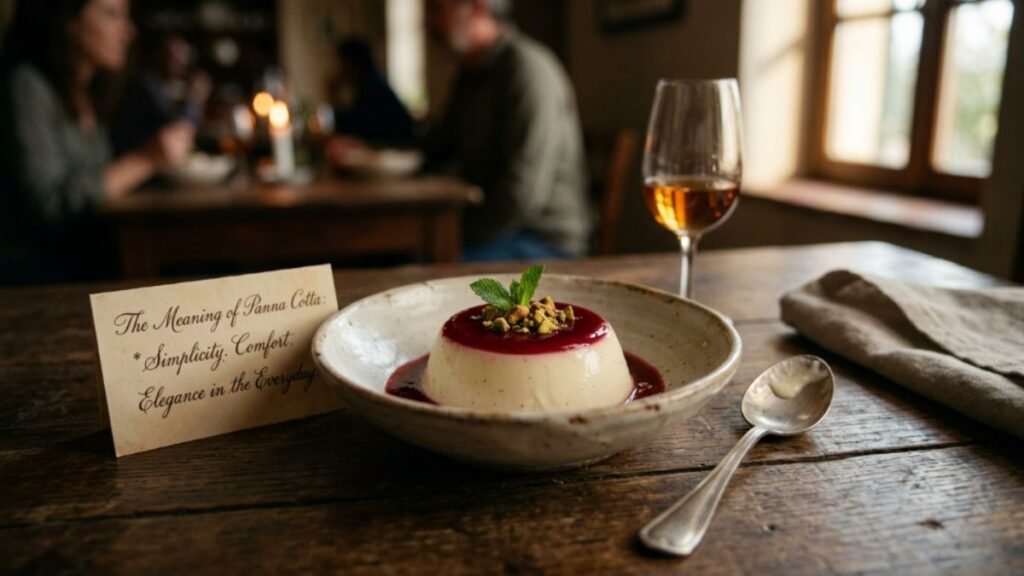
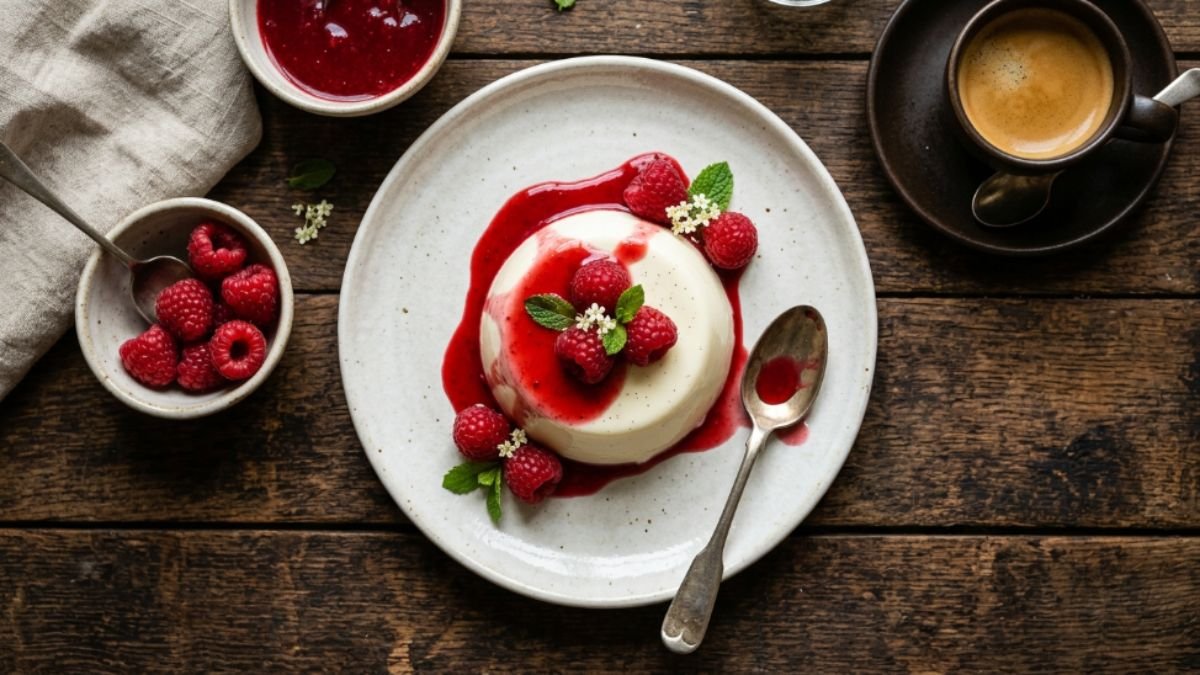
The name “panna cotta” literally translates to “cooked cream” in Italian. The dessert consists primarily of sweetened cream gently heated and set with a gelling agent. Once chilled, it develops a smooth, delicate texture that sits somewhere between custard and mousse.
Unlike many elaborate European desserts, panna cotta relies on a remarkably short ingredient list:
- Heavy cream
- Sugar
- Gelatin
- Vanilla or other flavorings
This simplicity allows the quality of the ingredients to shine while creating a dessert that feels elegant without being complicated.
Today, panna cotta appears in countless variations featuring fruit coulis, caramel sauces, chocolate, coffee, citrus, nuts, and seasonal ingredients. Yet the core concept remains largely unchanged from its traditional origins.
Where Did Panna Cotta Originate in Italy?
The Piedmont Region and Its Culinary Heritage
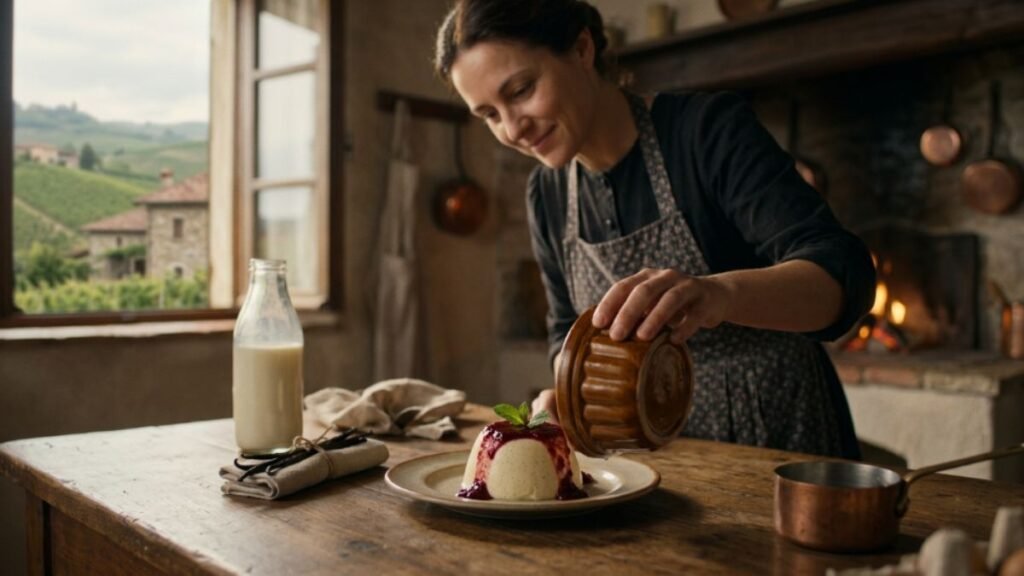
Most food historians trace panna cotta’s origins to the Italian region of Piedmont, known in Italian as Piemonte. Located in northwestern Italy near the Alps, Piedmont has long been recognized for its dairy production, rich agricultural lands, and sophisticated culinary traditions.
The region produces some of Italy’s most celebrated foods, including:
- Hazelnuts
- Truffles
- Fine wines
- Artisanal cheeses
- Cream-rich dairy products
The abundance of fresh cream made Piedmont an ideal birthplace for a dessert centered around dairy.
According to information from the Academia Barilla, northern Italian cuisine historically made extensive use of cream and butter, distinguishing it from many southern regions where olive oil was more prevalent. This culinary environment helped create the conditions necessary for panna cotta to emerge.
Rural Beginnings
The earliest versions of panna cotta were likely created in rural households rather than aristocratic kitchens. Farmers and home cooks sought practical ways to preserve and use excess cream produced by dairy operations.
Before modern refrigeration, transforming fresh dairy into longer-lasting dishes was a common necessity. Cream-based desserts offered a solution while providing a luxurious treat using readily available ingredients.
Many culinary researchers believe early panna cotta recipes may have relied on natural thickening methods before commercial gelatin became widely accessible.
The Debate Over Panna Cotta’s True Age
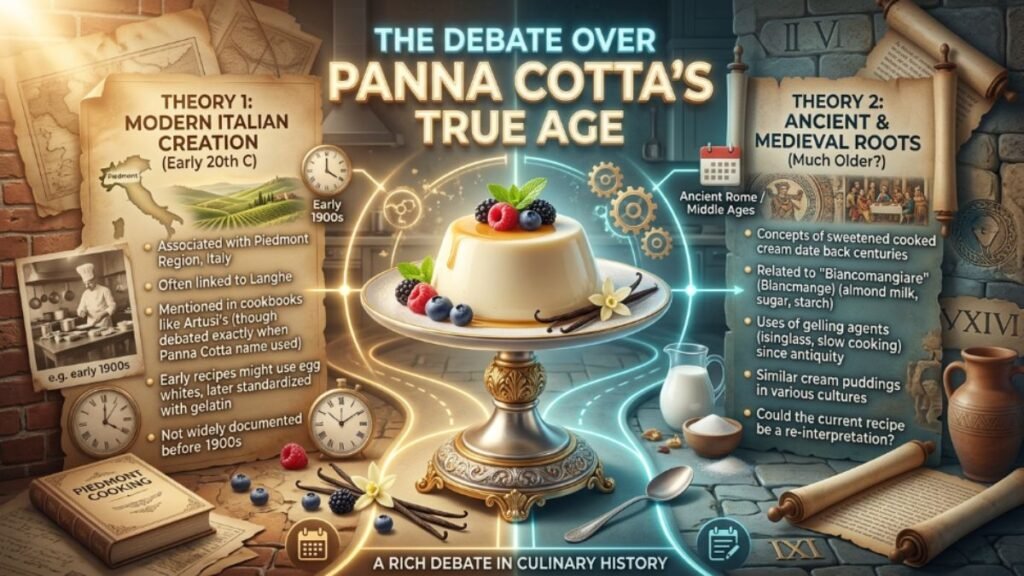
One fascinating aspect of panna cotta history origin Italy is the uncertainty surrounding its exact timeline.
Unlike desserts with well-documented royal origins, panna cotta emerged from regional traditions where recipes were passed orally from generation to generation. As a result, precise records are limited.
A Surprisingly Recent Appearance in Cookbooks
Although many assume panna cotta dates back centuries, documented references are relatively recent.
Food historians note that panna cotta does not appear prominently in many older Italian cookbooks. The dessert began gaining widespread recognition during the twentieth century, particularly after World War II.
This absence of extensive historical documentation has led scholars to propose several theories:
| Theory | Description |
|---|---|
| Ancient Rural Origins | Recipe existed informally for centuries before being documented |
| Nineteenth-Century Creation | Developed during the expansion of dairy production in Piedmont |
| Twentieth-Century Standardization | Modern panna cotta emerged after commercial gelatin became common |
| Evolution from Earlier Cream Desserts | Adapted from pre-existing regional dairy recipes |
Most experts agree that while the modern version became standardized relatively recently, its conceptual roots likely extend much further into northern Italian culinary traditions.
How Early Panna Cotta Was Made
Before Commercial Gelatin
Modern recipes depend heavily on powdered or sheet gelatin. However, early Italian cooks often relied on alternative methods to create structure.
Historical accounts suggest they may have used:
- Fish bones rich in collagen
- Animal bones
- Cartilage extracts
- Long cooking processes that released natural gelatin
These traditional techniques required significantly more effort than contemporary methods.
For cooks seeking an authentic texture today, products such as HAODONG Gelatin Sheets, 2 Packs Beef Leaf Gelatin (Gold and Silver) Total 35-40 Sheet closely resemble the sheet gelatin commonly preferred in professional kitchens because they help create a smooth, delicate consistency.
The Influence of Dairy Farming
Piedmont’s dairy farms produced abundant cream that naturally inspired cream-based preparations.
Unlike egg-heavy custards popular elsewhere in Europe, panna cotta emphasized the flavor of fresh cream itself. This distinction remains one of its defining characteristics today.
The dessert celebrates dairy rather than masking it with numerous additional ingredients.
Why Panna Cotta Became So Popular
Simplicity and Elegance
One reason for panna cotta’s enduring success is its balance between simplicity and sophistication.
The dessert offers several advantages:
- Minimal ingredients
- Easy preparation
- Elegant presentation
- Adaptability to seasonal flavors
- Consistent results
Restaurants appreciate panna cotta because it can be prepared in advance while maintaining excellent quality.
Home cooks value it because it requires less technical skill than many traditional European desserts.
International Expansion
Italian immigration helped spread regional recipes across the globe. As Italian restaurants expanded internationally throughout the twentieth century, panna cotta traveled with them.
Its appeal crossed cultural boundaries because it could be adapted using local ingredients while preserving its recognizable identity.
Today, panna cotta appears on menus throughout:
- North America
- South America
- Europe
- Asia
- Australia
- The Middle East
Traditional Panna Cotta Versus Modern Variations
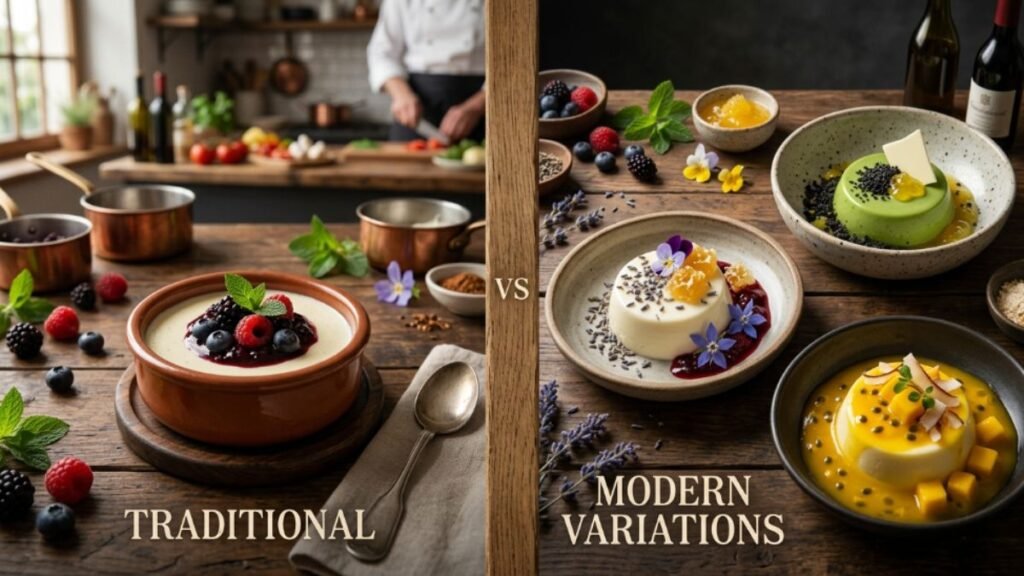
Authentic Piedmont-Style Panna Cotta
Traditional versions typically emphasize subtle flavors.
Classic ingredients include:
- Fresh cream
- Sugar
- Vanilla
- Minimal garnishes
The objective is to showcase texture and dairy richness rather than overwhelming sweetness.
Contemporary Interpretations
Modern chefs frequently introduce creative elements.
Popular variations include:
- Espresso panna cotta
- Chocolate panna cotta
- Honey panna cotta
- Lemon panna cotta
- Coconut panna cotta
- Berry panna cotta
- Pistachio panna cotta
While these adaptations differ from traditional recipes, they demonstrate the dessert’s remarkable versatility.
The tradition of pairing rich cream-based desserts with fruit sauces appears throughout northern Italian cooking. We cover similar pairing principles in our article on the history behind tiramisu, another Piedmont-adjacent dessert with a complicated origin story.
The Science Behind Panna Cotta’s Texture
One reason panna cotta remains beloved is its unique mouthfeel.
The ideal panna cotta should:
- Hold its shape
- Tremble gently when moved
- Feel creamy rather than rubbery
- Melt smoothly on the palate
Achieving this balance depends largely on gelatin concentration.
Research published through the Institute of Food Technologists highlights how gelling agents influence texture perception in dairy-based foods. Small adjustments can dramatically alter firmness and sensory experience.
Professional pastry chefs often describe perfect panna cotta as “barely set.”
This delicate structure differentiates it from firmer gelatin desserts.
Panna Cotta and Italian Food Culture
A Reflection of Regional Identity
Italian cuisine is deeply regional.
Many internationally famous dishes originated as local specialties before gaining broader recognition.
Panna cotta follows this pattern.
Its development reflects:
- Agricultural practices
- Local ingredients
- Seasonal cooking
- Resourcefulness
- Regional pride
Understanding its origins provides a broader appreciation of how Italian culinary traditions evolved.
The Italian Philosophy of Ingredient Quality
Italian cooking frequently emphasizes ingredient quality over complexity.
Panna cotta exemplifies this philosophy perfectly.
With only a handful of ingredients, every component matters.
The cream must be rich.
The vanilla must be fragrant.
The gelatin must be properly balanced.
The result demonstrates how exceptional ingredients often produce exceptional outcomes without elaborate techniques.
Serving Traditions Through the Years
Historically, panna cotta was often served plainly.
Over time, garnishes became increasingly common.
Popular accompaniments include:
- Fresh berries
- Berry coulis
- Caramel sauce
- Chocolate drizzle
- Roasted nuts
- Citrus zest
- Fruit compotes
These additions provide contrast while preserving the dessert’s signature creaminess.
According to the Italian Trade Agency, traditional Italian gastronomy places strong emphasis on seasonal ingredients, which explains why fruit accompaniments frequently change throughout the year.
Common Myths About Panna Cotta History
Myth 1: Panna Cotta Dates Back to Ancient Rome
While Italian cuisine certainly has ancient roots, there is little evidence supporting direct Roman origins for modern panna cotta.
The dessert’s current form appears to be much more recent.
Myth 2: It Was Invented by Royal Chefs
Unlike some European desserts associated with aristocratic courts, panna cotta likely emerged from rural cooking traditions.
Its humble ingredient list supports this theory.
Myth 3: Traditional Panna Cotta Always Included Gelatin
Early versions may have used natural collagen sources before commercial gelatin became readily available.
The exact methods likely varied between communities.
Making Authentic Panna Cotta at Home
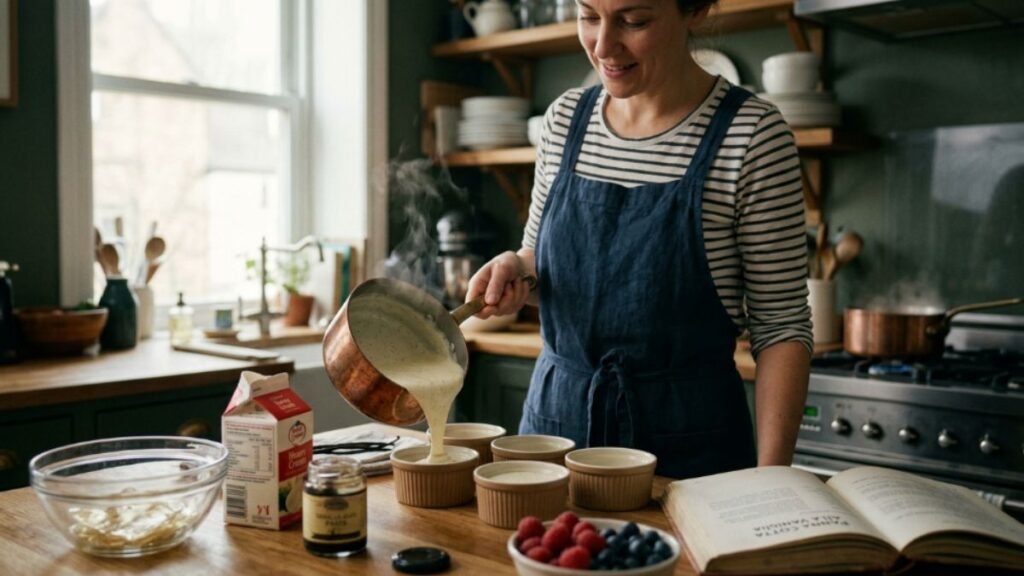
Essential Ingredients
For a traditional preparation, most recipes require:
- 2 cups heavy cream
- 1/4 cup sugar
- Vanilla
- Gelatin
Success depends more on precision than complexity.
Choosing the Right Equipment
Proper molds help create clean, professional presentations.
Many home cooks prefer dedicated ramekins because they simplify unmolding and portion control. A set such as DOWAN 4 oz Ceramic Ramekins Set of 6, Oven Safe can be useful for serving panna cotta individually while maintaining an elegant appearance.
Common Mistakes
Avoid:
- Boiling the cream
- Using excessive gelatin
- Rushing the chilling process
- Overpowering the dessert with heavy toppings
Patience often produces the best results.
Why Panna Cotta Remains Relevant Today
Food trends change constantly.
Many desserts enjoy brief popularity before fading away.
Panna cotta has avoided this fate because it satisfies several enduring consumer preferences:
- Simple ingredients
- Elegant presentation
- Portion control
- Adaptability
- Comfort and indulgence
It feels simultaneously traditional and modern.
Restaurants continue featuring it because diners recognize and trust the dessert while still appreciating creative reinterpretations.
The Lasting Legacy of Panna Cotta
The story of panna cotta history origin Italy illustrates how culinary traditions can evolve while preserving their essential character.
What likely began as a practical use for excess cream in rural Piedmont eventually became one of Italy’s most recognizable desserts. Its journey reflects broader themes found throughout Italian gastronomy: respect for ingredients, regional identity, simplicity, and craftsmanship.
Despite countless modern variations, the essence of panna cotta remains unchanged. A handful of carefully selected ingredients combine to create a dessert that is refined, comforting, and unmistakably Italian.
For anyone exploring Italian culinary heritage, panna cotta offers more than a delicious ending to a meal. It provides a window into the agricultural traditions, cultural values, and culinary ingenuity that continue to shape Italian cuisine today.
Frequently Asked Questions about Panna Cotta
What does panna cotta mean in English?
The phrase translates directly as “cooked cream” in Italian. The name describes the preparation method: cream that is heated with sugar and gelatin, then chilled until set.
Is panna cotta always made with gelatin?
Traditional recipes use gelatin, specifically sheet gelatin in most Italian professional kitchens. Some modern adaptations use agar-agar as a plant-based alternative, though the texture differs slightly from the classic version.
What is the difference between panna cotta and creme brulee?
Panna cotta sets through gelatin and requires no heat source beyond warming the cream. Creme brulee is a baked custard that sets through egg protein coagulation and is finished with a caramelized sugar crust. The two share a cream base but are structurally and technically distinct desserts.
How long does panna cotta keep in the refrigerator?
A properly made panna cotta will hold well in the refrigerator for up to three days when covered. The texture is best within the first 24 to 48 hours, after which the gelatin structure can become slightly firmer.
Can you freeze panna cotta?
Freezing is generally not recommended for panna cotta. Gelatin-set desserts undergo textural changes when frozen and thawed, resulting in a grainy or weeping texture that the original preparation does not have. Chilled storage is the correct method for this dessert.