Traditional Italian Pasta Recipes: The Ultimate Authentic Guide
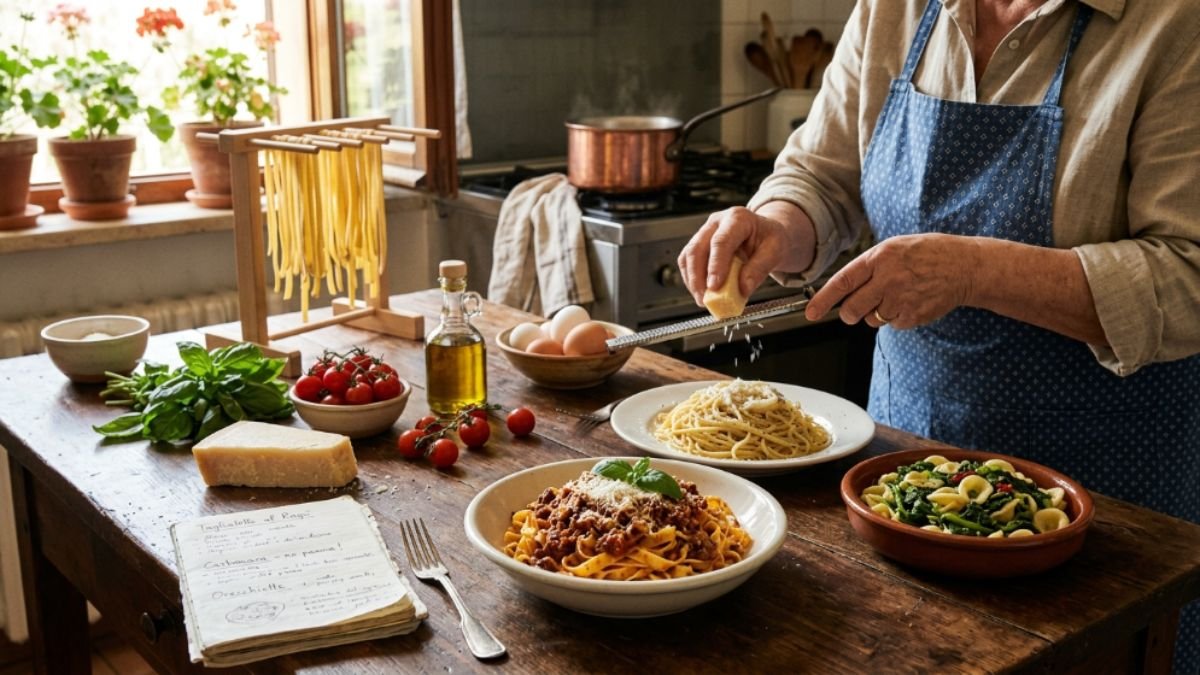
The aroma of simmering San Marzano tomatoes, the rhythmic sound of a wooden spoon against a copper pot, and the tactile satisfaction of kneading flour and eggs into a silky dough—these are the sensory hallmarks of true Italian soul food. For many, Italian cuisine is the gold standard of comfort, yet finding genuine traditional Italian pasta recipes amidst a sea of “fusion” and modernized versions can be a daunting task for the purist.
In the Brazilian culinary scene, Italian influence is profound, especially in regions like São Paulo and Rio Grande do Sul. However, there is a significant difference between “Italian-style” cooking and the rigorous, time-honored traditions of the nonnas in Lazio, Emilia-Romagna, or Campania. Authenticity in Italian pasta isn’t about complexity; it’s about the quality of the raw materials and the precision of the technique.
Over years of exploring regional kitchens from Bologna to Naples, we have observed that the most “revolutionary” secret to Italian cooking is actually simplicity. We have tested hundreds of flour ratios, hydration levels, and tomato varieties to distinguish what truly impacts the flavor profile versus what is merely decorative. This guide is the result of that hands-on rigor, designed to elevate your home cooking from a standard meal to a cultural experience.
In this comprehensive editorial, you will master the foundational techniques of fresh pasta, discover the “Big Four” Roman pastas, and learn how to pair shapes with sauces like a professional sfoglina. Whether you are a beginner looking for your first successful Carbonara or an enthusiast seeking to perfect your Pappardelle, this guide provides the definitive roadmap.
The Foundation of Fresh Pasta: Flour, Eggs, and Patience
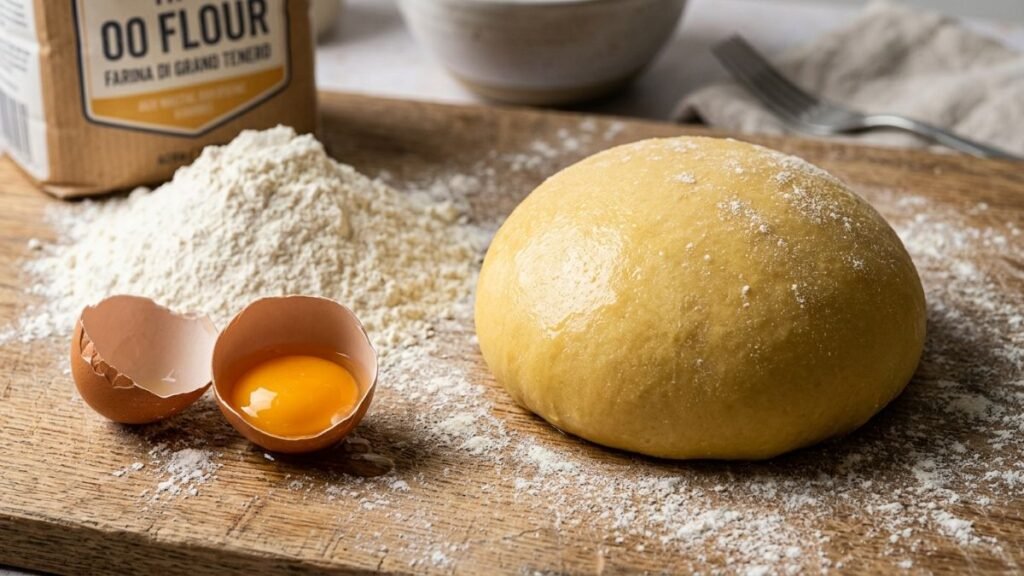
Creating fresh pasta at home is often viewed with intimidation, yet it requires only two primary ingredients. The magic lies in the ratio and the mechanical action of gluten development. Traditional Italian pasta recipes from Northern Italy almost exclusively use soft wheat flour (farina 00) and high-quality eggs, whereas Southern recipes often rely on durum wheat semolina and water.
In our kitchen trials, we found that the “100/1” rule remains the most reliable baseline: 100 grams of flour for every 1 large egg. However, environmental factors like humidity in coastal Brazilian cities can shift this balance. If your dough feels shaggy and dry after five minutes of kneading, a teaspoon of water might be necessary; if it sticks to your palms, a dusting of flour is your best friend.
Kneading is not just mixing; it is an aerobic process that aligns protein strands. You must knead for at least 10 minutes until the dough feels as soft as an earlobe and springs back when poked. This physical investment is what creates the al dente “snap” that distinguishes fresh pasta from a mushy substitute.
Essential Tools for the Home Sfoglina
While you can make pasta with just a rolling pin, certain tools ensure the consistency required for high-end results:
- Digital Scale: Precision is vital. Measuring flour by “cups” is the leading cause of failed dough due to varying density.
- Wooden Board: Wood has a slight porosity that “grabs” the dough, making it easier to roll out than marble or stainless steel.
- Pasta Machine or Rolling Pin (Mattarello): A machine provides uniform thickness (essential for even cooking), while a long rolling pin offers a traditional textural finish.
- Bench Scraper: Crucial for cleaning the board and portioning the dough without tearing the gluten structure.
The Roman “Big Four”: A Masterclass in Emulsification
Rome is home to four of the most iconic traditional Italian pasta recipes: Gricia, Carbonara, Amatriciana, and Cacio e Pepe. They are a logical progression of one another, all sharing a foundation of Pecorino Romano cheese and pasta water.
The most common mistake we see in Brazil is the use of heavy cream (creme de leite) in Carbonara. In a traditional Roman kitchen, cream is considered a cardinal sin. The silkiness comes strictly from the emulsion of egg yolks, cheese, and starchy pasta water.
Attention: Never add eggs to a pan that is still on the heat source. The residual heat of the pasta is enough to cook the eggs into a creamy sauce. Direct heat will turn your Carbonara into scrambled eggs.
Comparing the Roman Classics
| Dish | Primary Fat | Protein | Tomato? | Key Spice |
| Cacio e Pepe | Pasta Water | None | No | Toasted Black Pepper |
| Gricia | Guanciale Fat | Guanciale | No | Black Pepper |
| Carbonara | Egg Yolk/Fat | Guanciale | No | Black Pepper |
| Amatriciana | Guanciale Fat | Guanciale | Yes | Peperoncino (Chili) |
The Art of the Slow-Cooked Ragù alla Bolognese
True Ragù alla Bolognese is a lesson in patience. Unlike the “Bolognese” found in many international bistros—which is often just ground beef in marinara—the authentic version from Emilia-Romagna is a meat-centric sauce with a very small amount of tomato paste or puree.
Based on official guidelines from the Accademia Italiana della Cucina, a real ragù requires a soffritto (finely diced celery, carrots, and onions), a mix of beef and fatty pork, and, crucially, time. We recommend a minimum simmering time of 3 to 4 hours.
In our experience, adding a cup of whole milk toward the end of the cooking process is the “pro move” that many skip. The lactic acid tenderizes the meat fibers and creates a mellow, orange-hued sauce that clings perfectly to wide ribbons of Tagliattele.
Practical Tip: Always use a heavy-bottomed pot (like cast iron or thick stainless steel) for ragù. This distributes heat evenly and prevents the bottom from scorching during the 4-hour simmer.
Pairing Shapes with Sauces: The Logic of Geometry
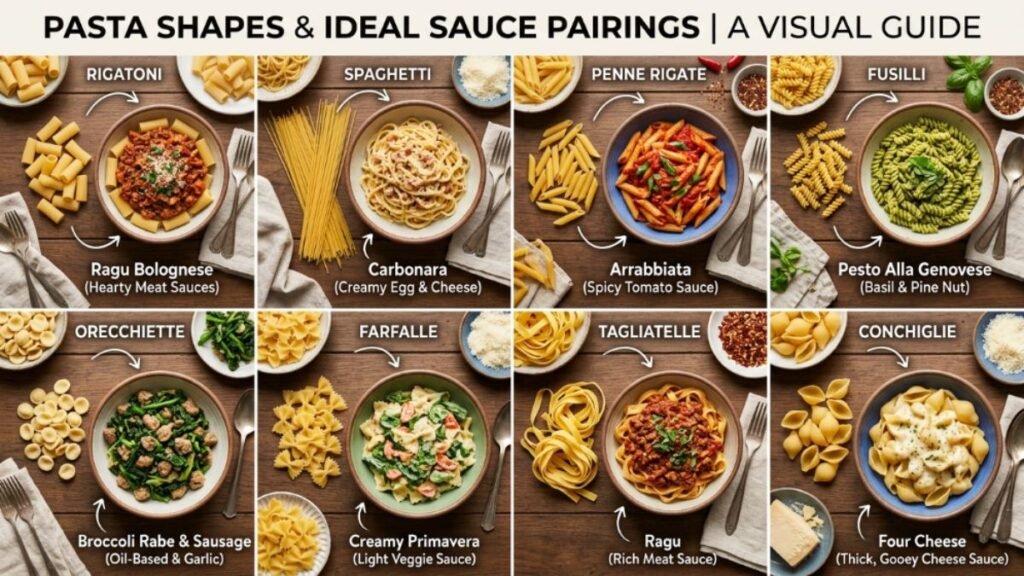
In Italy, the shape of the pasta is never accidental. It is a functional choice designed to maximize the delivery of the sauce. Traditional Italian pasta recipes are built on these pairings.
- Long, Thin Strands (Spaghetti, Linguine): Best for oil-based or fluid sauces like Aglio e Olio or seafood. The thin surface area gets coated without being weighed down.
- Wide Ribbons (Pappardelle, Tagliatelle): Essential for heavy meat sauces. The wide surface area acts as a “shelf” for the chunks of meat.
- Tubular Shapes (Rigatoni, Penne): Designed for chunky vegetable sauces or hearty boscaiola. The sauce gets trapped inside the tube.
- Scooped Shapes (Orecchiette, Conchiglie): Perfect for small ingredients like peas, capers, or crumbled sausage, which nestle into the curves.
Mastering the Al Dente Finish: The Science of Pasta Water
“Al dente” translates to “to the tooth,” meaning the pasta should offer a slight resistance when bitten. This isn’t just about texture; it’s about digestion and glycemic index. Overcooked pasta breaks down into simple sugars much faster than pasta cooked correctly.
To achieve this, follow this professional sequence:
- Salt the water like the sea: Use roughly 10 grams of salt per liter of water. The pasta must be seasoned from the inside out.
- Use a large pot: Pasta needs “room to dance.” Too little water leads to a high starch concentration, making the pasta gummy.
- The “Finish in the Pan” Method: Pull the pasta out 1-2 minutes before it is done. Transfer it directly into the sauce pan with a splash of the starchy cooking water.
- Mantegatura: Toss the pasta vigorously over heat. This releases starch into the sauce, creating a glossy, professional-grade emulsion.
Best Practice: Save a cup of pasta water before draining. It is “liquid gold” that can revive a sauce that has become too thick or dry.
Regional Specialties Beyond the Basics
While everyone knows Lasagna, traditional Italian pasta recipes offer incredible regional diversity that remains under-explored in Brazil.
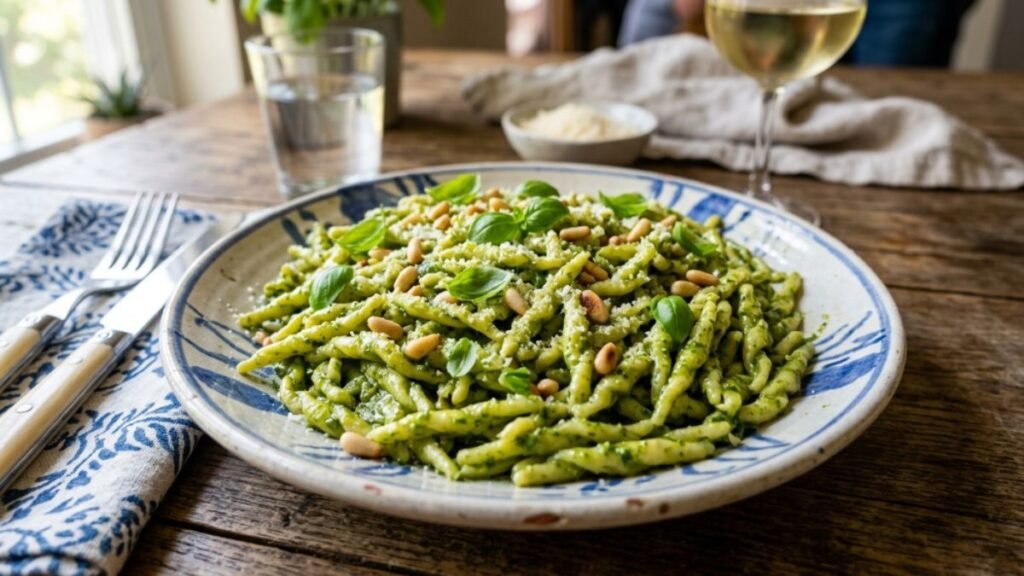
Trofie al Pesto (Liguria)
Trofie are small, twisted pasta shapes from the coast of Genoa. The traditional pairing is Pesto alla Genovese, made with basil, pine nuts (or walnuts as a budget-friendly alternative), Parmigiano-Reggiano, Pecorino Sardo, garlic, and extra virgin olive oil.
Orecchiette con Cime di Rapa (Puglia)
In the “heel” of Italy’s boot, “little ears” pasta is served with broccoli rabe (or rapini). The secret here is sautéing anchovies in olive oil until they melt, providing a deep umami base that balances the bitterness of the greens.
Sourcing Ingredients in Brazil: Quality vs. Availability
The success of traditional Italian pasta recipes hinges on ingredient integrity. In Brazil, we face specific challenges with sourcing, but there are excellent workarounds:
- Flour: Look for “Tipo 00” imported from Italy (brands like Caputo or Le 5 Stagioni) for the best results. If unavailable, use a high-protein premium bread flour and sift it twice.
- Cheese: Authentic Parmigiano-Reggiano and Pecorino Romano are expensive but essential for the correct salt/fat balance. Avoid the “grated parmesan” in silver packets found in supermarkets; these often contain cellulose fillers that prevent melting.
- Tomatoes: For sauces, canned San Marzano or Italian peeled tomatoes (Pelati) are superior to most fresh “supermarket” tomatoes in Brazil, which are often picked green and lack the necessary acidity and sugar balance.
You might be interested to know: The Gelato Route: Best Gelaterias in Italy and How to Visit Them
Important Notice: This article is intended solely for informational and educational purposes. The nutritional or technical information contained herein is not a substitute for the guidance of a registered dietitian or certified culinary professional. For restrictive diets or food allergies (such as gluten intolerance), always consult a qualified professional.
Conclusion
Embracing traditional Italian pasta recipes is more than a culinary task; it is an act of preservation. By respecting the ratios of the dough, the science of the emulsion, and the logic of the pairings, you bring a piece of Italian history into your kitchen. We have seen that the most common hurdle for home cooks is the fear of “doing it wrong,” but as we’ve discussed, simplicity and high-quality ingredients are your best safeguards.
Start with a simple Cacio e Pepe to master the art of the emulsion, then work your way up to a 4-hour Bolognese. The journey of a sfoglina is one of repetition and sensory adjustment. We encourage you to put these techniques into practice this weekend. There is no greater satisfaction than serving a dish that tastes exactly as it would in a hidden trattoria in Trastevere.
Save this guide for your next Sunday lunch, and share your results with us. Which traditional shape will you master first?
FAQ: Frequently Asked Questions
How long does fresh homemade pasta last?
Fresh pasta can be kept in the refrigerator for up to 2 days if floured well and stored in an airtight container. For longer storage, we recommend freezing it. Place the “nests” on a tray to flash-freeze for one hour, then transfer to a freezer bag. It will last for 2-3 months. Cook it directly from frozen, adding an extra minute to the boiling time.
Can I make traditional recipes with gluten-free flour?
Yes, but the physics change. Since gluten provides elasticity, you will need a binder like Xanthan gum or a high-quality “cup-for-cup” GF blend. Traditional Italian pasta recipes rely heavily on gluten development for texture, so expect a slightly different mouthfeel. Many Italian brands now produce high-quality bronze-cut GF dried pasta that performs well with these traditional sauces.
Why is my Carbonara sauce always clumping or oily?
Clumping happens when the heat is too high, essentially “scrambling” the eggs. Oiliness happens when the emulsion breaks. To fix this, ensure you are using enough starchy pasta water (about 1/4 cup per portion) and whisking the cheese and egg into a paste before adding it to the pasta. The starch in the water acts as a stabilizer for the fat.
What is the difference between “00” flour and common all-purpose flour?
“00” refers to the fineness of the grind. It is the most highly refined flour in Italy, resulting in a powder-like texture. This allows for a silkier, thinner pasta dough. Common Brazilian “Tipo 1” flour is coarser and has a different protein content, which can result in a tougher, more “rubbery” pasta if not handled carefully.
How much does it cost to make authentic pasta at home in Brazil?
While a bag of “00” flour and a wedge of Pecorino Romano are premium purchases (ranging from R$ 20 to R$ 60 depending on the region), the cost per serving is often lower than a mid-range meal out. A single 1kg bag of flour can produce nearly 10-12 generous portions of pasta, making it a highly cost-effective way to enjoy luxury dining at home.
Can I use bacon instead of Guanciale?
In a pinch, yes, but the flavor profile will shift. Guanciale (cured pork cheek) is funkier and has a higher fat-to-meat ratio than bacon. Bacon is usually smoked, which can overwhelm the delicate balance of a Carbonara. If using bacon, look for a non-smoked, high-quality pancetta as a closer middle-ground alternative.